

• Sunday 10am - 4pm
  • Monday CLOSED
  • Tuesday 10am - 6pm
  • Wednesday 10am - 6pm
  • Thursday 10am - 6pm
  • Friday 10am - 6pm
  • Saturday 10am - 5pm

How To Put Your Harley-Davidson® Motorcycle In Transport Mode

Posted by Dan Novit

Aug 1, 2018 2:04:21 PM

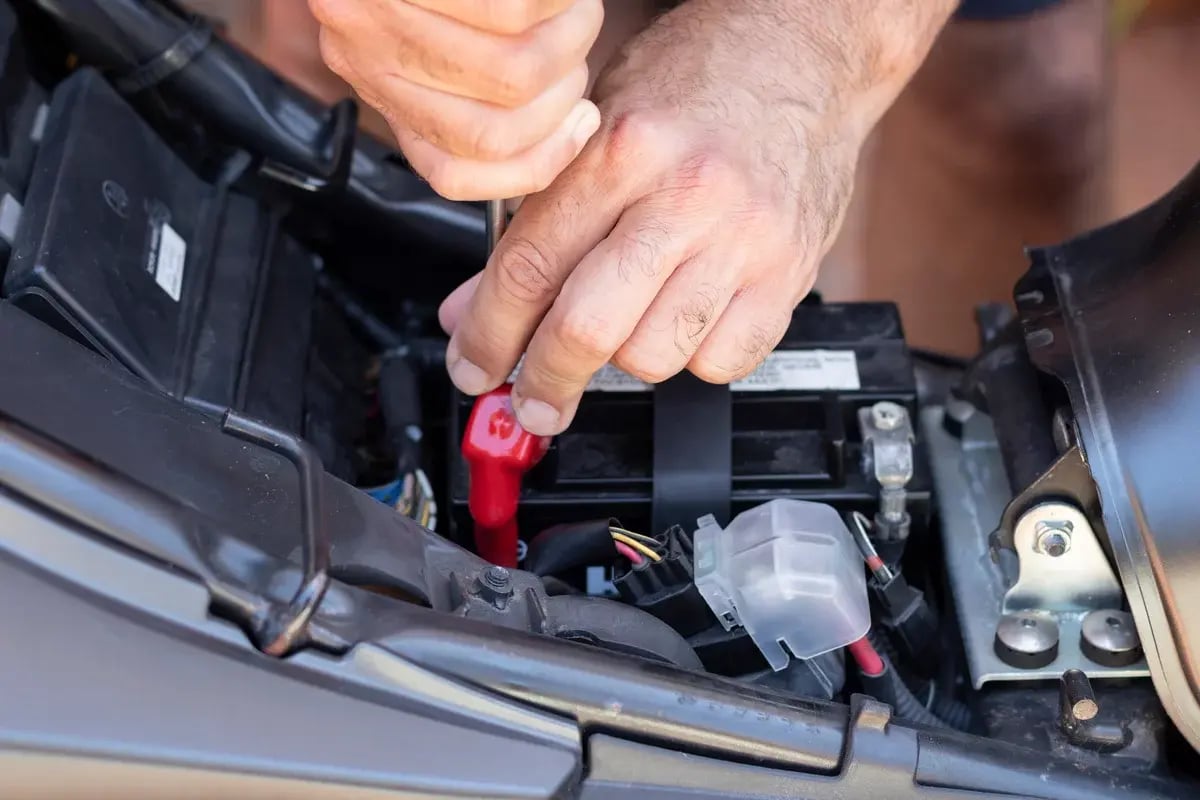
Close up of a high power motorcycle, chopper.

TL;DR: Harley transport mode is essential for safely trailering your motorcycle without draining the battery or triggering the alarm system. This guide shows you exactly how to activate it and when to use it.

  • Prevent battery drain by disabling motion sensors during transport
  • Step-by-step instructions for Touring and Standard models (2014–2020)
  • Learn how to turn off Harley alarm for transport without losing security
  • Understand when to use Harley trailer mode or Harley tow mode
  • Avoid common mistakes like forgetting the key fob or skipping activation

What Is Harley Transport Mode and Why It Matters

If you’ve ever hauled your bike across state lines or prepped it for a rally weekend, you already know one thing—your Harley-Davidson® isn’t just cargo. It’s a finely tuned machine built for the ride. But without the proper setup, transporting your motorcycle can lead to a frustrating surprise: a dead battery.

This is where Harley transport mode (also known as Harley Davidson® transport mode, Harley tow mode, or Harley trailer mode) becomes essential. When your bike is equipped with a factory security system, motion sensors are always on alert. That’s great for theft prevention—but not so great when your bike is bouncing along in a trailer for hundreds of miles.

Without activating transport mode, your Harley’s alarm system can continuously trigger during transit, slowly draining your battery. By the time you unload, you may be stuck with a bike that won’t start.

Harley Trailer Mode: The Smart Way to Transport Your Bike

Transport mode is designed specifically to solve this problem. When activated, it disables the motion detection portion of your security system—effectively allowing your bike to move freely without triggering the alarm.

Think of it as putting your bike into “travel mode.” The security system is still active, but it won’t react to motion. This is why many riders refer to it as Harley trailer mode or Harley tow mode.

It’s also one of the easiest ways to turn off Harley alarm for transport without fully disabling your bike’s security features.

For riders who regularly travel to rallies, events, or long-distance destinations, using Harley transport mode isn’t just a convenience—it’s a must. It protects your battery, reduces unnecessary wear on electrical components, and ensures your bike arrives in the same ready-to-ride condition you expect from every Harley-Davidson®.

How to Put Harley in Transport Mode (Step-by-Step)

Let’s break it down by model so you can confidently get your bike road-ready—even when it’s not being ridden.

Touring Models (2019–2020)

Enter Harley Transport Mode

  1. Make sure your assigned key fob is within range.
  2. Turn the ignition switch to IGNITION.
  3. Before the security lamp turns off, switch the ignition to OFF.
  4. Within three seconds, press both the left and right turn signal switches simultaneously.
  5. The turn signals will flash once—confirming that Harley transport mode is active.

Once activated, you can remove the fob and move your motorcycle freely without triggering the alarm system.

Pro Tip: On models with a fairing, the odometer will display “TSPORT MODE ACTIVE” when engaged.

Exit Transport Mode

  1. Bring the assigned key fob within range.
  2. Turn the ignition switch to IGNITION.

That’s it—your bike is back to full operational mode and ready to ride.
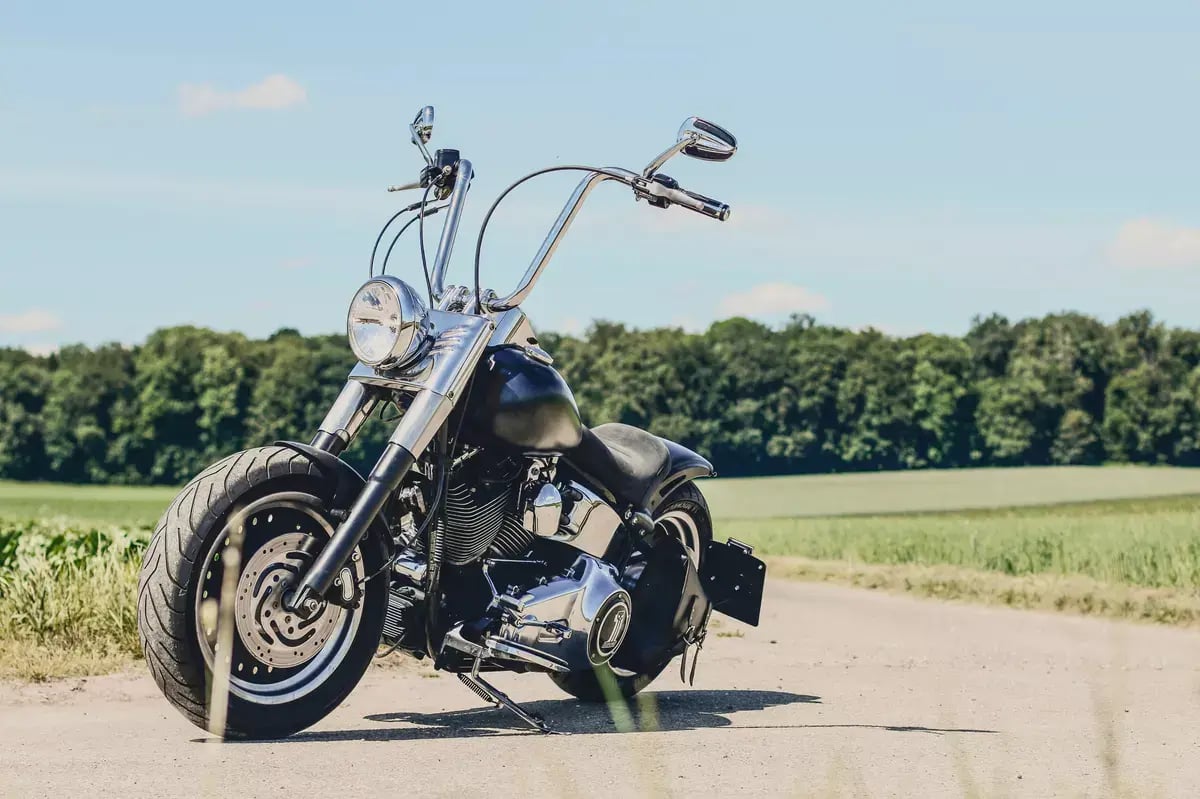
black motorcycle without a driver stands on a dirt road, sideview

Standard Touring Models (2014–2018)

How to Put Harley in Transport Mode

  1. Ensure your key fob is nearby.
  2. Turn the ignition switch to IGNITION.
  3. Before the security system lamp turns off, switch the ignition to OFF.
  4. Within three seconds, press both turn signal switches at the same time.
  5. Watch for the turn signals to flash once—this confirms Harley-Davidson transport mode is activated.
  6. Remove the fob, and your motorcycle can now be transported without setting off the alarm.

Exit Transport Mode

  1. Bring your assigned key fob within range.
  2. Turn the ignition switch back to IGNITION.

You’re ready to fire it up and hit the road.

CVO Models (2014–2018)

Transport mode steps can vary slightly depending on the configuration of your CVO model. For the most accurate walkthrough, refer to your owner’s manual or follow a verified Harley-Davidson® tutorial.

2013 Models and Earlier

Older Harley-Davidson® motorcycles may use different procedures to activate Harley tow mode or disable the alarm for transport. Because these systems vary, we recommend checking your model-specific manual or speaking with a certified technician.

When Should You Use Harley Tow Mode?

Knowing how to put Harley in transport mode is only half the equation—you also need to know when to use it.

You should always activate transport mode when:

  • Trailering your bike long distances
  • Shipping your motorcycle
  • Moving your bike without starting the engine
  • Storing your bike where it may be repositioned frequently

In short, if your Harley is moving without being ridden, Harley trailer mode should be on.

Avoid These Common Mistakes

Even seasoned riders can overlook transport mode. Here are a few pitfalls to avoid:

  • Skipping transport mode before trailering: This is the fastest way to drain your battery.
  • Forgetting your key fob: You’ll need it to both activate and deactivate the system.
  • Assuming the alarm is fully disabled: Transport mode only disables motion detection—not the entire security system.

Understanding these details helps you properly turn off Harley alarm for transport without compromising security.

Ride Ready, Wherever You Land

At Southside Harley-Davidson®, we believe the ride starts long before the engine fires up. Whether you’re heading to a rally, delivering your bike cross-country, or storing it for the season, knowing how to use Harley transport mode ensures your motorcycle is ready when you are.

If you’re unsure about your specific model or want a hands-on walkthrough, stop by Southside Harley-Davidson® and connect with our team. We’ll make sure you’re dialed in, confident, and always ready for the next ride.

Because every mile matters—even the ones you don’t ride.
Topics: Service & Maintenance, Maintaining Your Bike


Extending the Life of your Harley-Davidson Battery

Posted by Sherry Long

Oct 27, 2014 2:03:00 PM

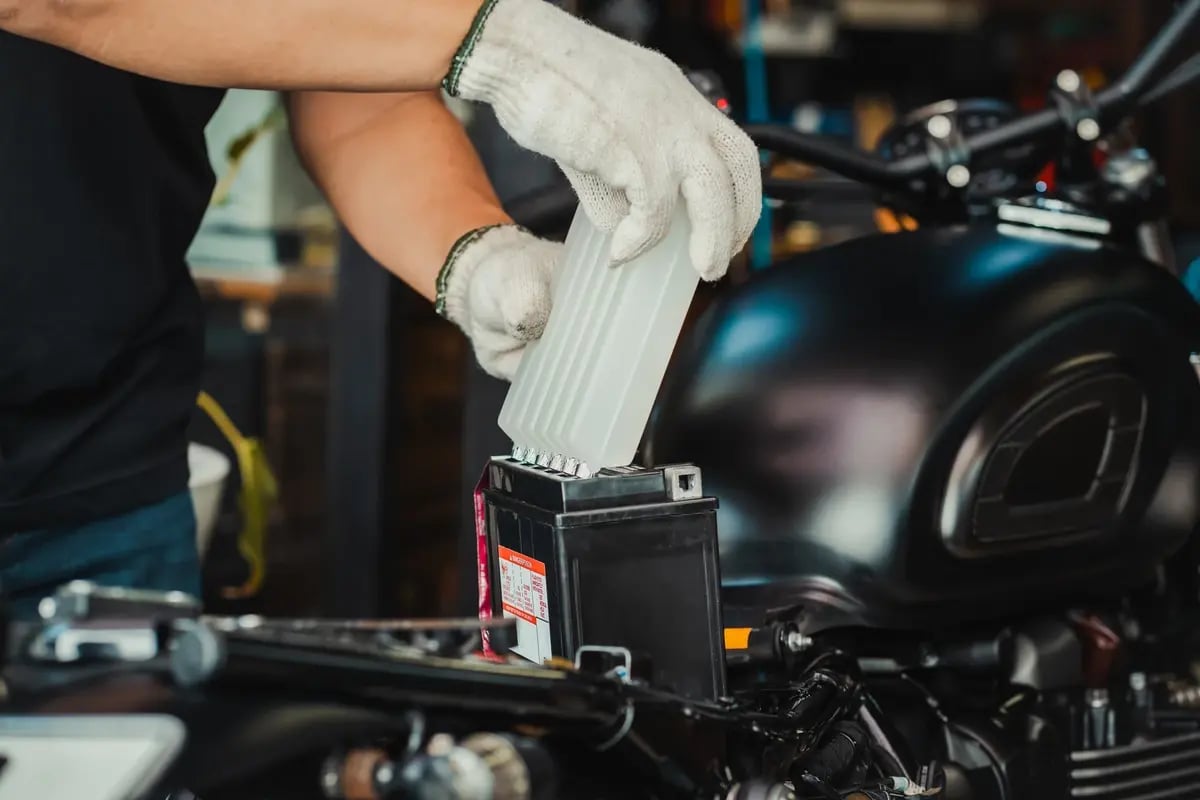
Mechanic replaces motorcycle battery and holding Acid pack or sealed battery electrolyte pack to prepare for fill up

TL;DR: Understanding your motorcycle battery lifespan is key to keeping your Harley ready to ride. This guide breaks down how the right battery, proper maintenance, and smart charging habits can dramatically extend performance and reliability.

  • Genuine Harley motorcycle batteries are built for durability, vibration resistance, and long-term performance
  • The average motorcycle battery lifespan is 3–5 years—but can last much longer with proper care
  • Batteries naturally lose charge due to self-discharge, heat, and onboard electronics
  • A Harley Davidson battery tender prevents overcharging while maintaining optimal charge levels
  • Consistent use of a battery tender can significantly extend battery life and reduce replacement costs

When it comes to keeping your ride road-ready, your battery isn’t just another component—it’s the heartbeat of your Harley. If you’ve ever hit the starter and heard nothing but silence, you already know how critical it is. Understanding your motorcycle battery lifespan and how to maintain it properly can mean the difference between riding free and being stuck in the garage.

Let’s break down why choosing the right battery (and taking care of it the Harley way) matters.

Why a Genuine Harley Motorcycle Battery Matters

Not all batteries are built to handle the demands of a Harley-Davidson. A Harley motorcycle battery is engineered specifically for the power, vibration, and electrical load of your machine.

Here’s what sets it apart:

  • Built to meet strict Harley-Davidson performance and durability standards
  • Patented terminal design for stronger connections and longer life
  • Fully sealed and leak-proof construction for safety and reliability
  • Designed to withstand Harley-specific vibration and riding conditions

Sure, you might save a few dollars with a generic alternative—but when it comes to reliability, performance, and longevity, there’s no substitute for the real deal. A genuine Harley battery is an investment in your ride and your peace of mind.

Understanding Motorcycle Battery Lifespan

One of the most common questions riders ask is: "How long do Harley batteries last?”

On average, a well-maintained Harley battery can last anywhere from 3 to 5 years. With proper care—and the right tools—you can stretch that lifespan even further. In fact, riders who consistently maintain their battery with a Harley Davidson battery tender have reported getting significantly more years out of a single battery.

But here’s the catch: batteries don’t fail overnight—they degrade over time, often due to neglect.

The Silent Drain: Why Batteries Lose Charge

Even when your bike is parked, your battery is still working—and slowly losing power.

Here’s what’s happening behind the scenes:

  • Self-discharge: Every battery naturally loses charge over time, even when not in use
  • Parasitic loads: Systems like alarms or onboard electronics continue drawing small amounts of power
  • Heat impact: Warmer temperatures accelerate battery discharge (especially during hot riding seasons)

In ideal conditions, your battery can lose around 3% of its charge each month. But in hotter climates, that rate can double. Over time, this adds up—and before you know it, your battery no longer has enough power to start your bike.

The Risks of a Discharged Battery

Letting your battery sit without proper maintenance can lead to more than just inconvenience.

  • A discharged battery won’t start your motorcycle
  • Deep discharge can cause permanent internal damage
  • Repeated neglect shortens the overall motorcycle battery lifespan

In short, if you’re not actively maintaining your battery, you’re actively shortening its life.

Servicing a motorcycle, changing the battery

The Best Solution: Use a Motorcycle Battery Tender

If you want to extend the life of your battery, there’s one simple solution: use a motorcycle battery tender.

A battery tender works by delivering a steady, controlled charge to your battery—just enough to offset natural discharge without overcharging. Unlike basic chargers, a Harley Davidson battery tender uses smart technology to monitor voltage and adjust accordingly.

Why It Works

  • Prevents battery drain during storage
  • Maintains optimal charge levels
  • Reduces long-term wear and tear
  • Extends battery lifespan significantly

The key is consistency. Don’t just plug in your tender for winter storage—use it anytime your bike isn’t being ridden.

Charging a Motorcycle Battery with a Trickle Charger

You may be wondering about charging a motorcycle battery with a trickle charger versus using a smart battery tender.

While both provide low-level charging, there’s a critical difference:

  • Traditional trickle chargers deliver a constant charge, which can lead to overcharging
  • Battery tenders automatically cycle on and off to maintain the perfect charge level

If you’re serious about protecting your investment, a battery tender is the smarter, safer choice.

How Long to Charge a Motorcycle Battery

Another common question: how long to charge a motorcycle battery?

The answer depends on the battery’s condition and the charger you’re using:

  • With a smart battery tender, it can take several hours to reach full charge, then maintain it indefinitely
  • With a traditional charger: typically 4–24 hours, depending on battery size and discharge level

The advantage of a battery tender is that you don’t have to guess—it does the work for you and keeps your battery in peak condition automatically.

Real-World Results: A Rider’s Experience

Consistency pays off. Riders who stay disciplined with battery maintenance often see incredible results.

Take it from a long-time Harley owner who kept their bike plugged into a battery tender whenever it wasn’t in use—even between daily rides. The result? Over nine years on the original battery.

That’s the power of proper maintenance.

Top Harley-Davidson Battery Tenders to Consider

If you’re ready to protect your battery and maximize performance, here are two standout options designed specifically for Harley riders:

750mA SuperSmart Battery Tender

Compact, efficient, and built with intelligent charging cycles, this tender automatically adjusts to your battery’s needs. It prevents overcharging while delivering consistent performance—perfect for everyday use.

800mA Waterproof Battery Tender

Built for durability, this option is ideal for riders who store their bikes in less-than-perfect conditions. Its waterproof design, vibration resistance, and multi-stage charging system make it a reliable choice for long-term storage and year-round protection.

Ride More, Worry Less

Your battery should never be the reason you miss a ride. By understanding your motorcycle battery lifespan, investing in a quality Harley motorcycle battery, and using a Harley Davidson battery tender, you’re setting yourself up for reliability every time you hit the road.

Make battery maintenance part of your routine—and your Harley will be ready whenever you are.

Keep Your Harley Ready at Southside Harley-Davidson

At Southside Harley-Davidson, we’re here to help you get the most out of every mile. From premium batteries to the right motorcycle battery tender, our team has the tools, the expertise, and the parts to keep your ride performing at its best.

Stop by, gear up, and keep your Harley charged, maintained, and ready to roll.

Topics: Service & Maintenance


Comments