• Sunday 10am - 4pm
  • Monday CLOSED
  • Tuesday 10am - 6pm
  • Wednesday 10am - 6pm
  • Thursday 10am - 6pm
  • Friday 10am - 6pm
  • Saturday 10am - 5pm

Dan Novit

Don't be afraid to live.
Find me on:

Recent Posts

How Often Should You Replace Your Motorcycle Helmet? A Safety Guide

Posted by Dan Novit

May 19, 2026, 10:00:00 AM

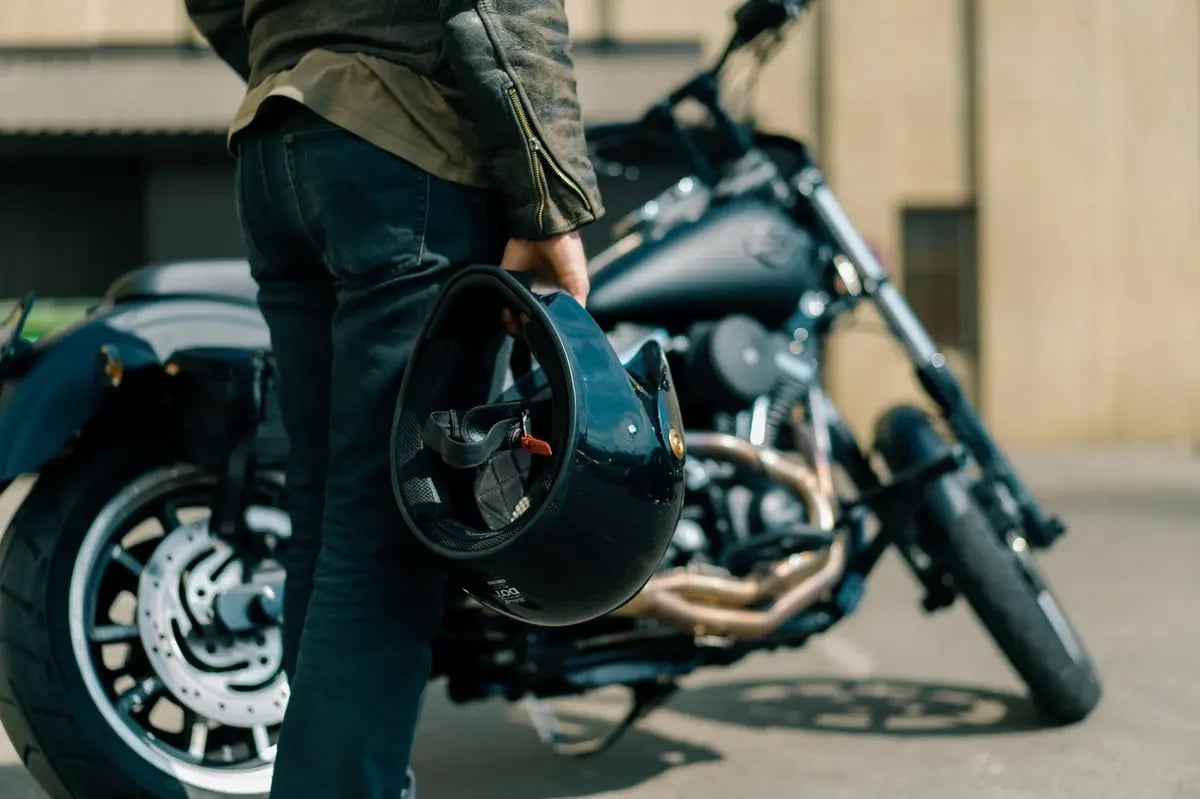
Motorcycle rider standing in front of a bike holding a helmet

TL;DR: Wondering how often should you replace a motorcycle helmet? This guide breaks down the timelines, warning signs, and factors that impact your helmet’s performance so you can ride with confidence every time.

  • Most helmets should be replaced every 3–5 years due to material breakdown from use and exposure
  • Even without visible damage, sweat, UV rays, and wear can reduce protection over time
  • Key warning signs include loose padding, poor fit, cracks, or worn components
  • A motorcycle helmet after a crash should always be replaced—no exceptions
  • Choosing a new helmet means focusing on fit, safety certifications, and long-term comfort

When it comes to rider safety, few pieces of gear are as critical as your helmet. It’s your first line of defense every time you hit the road—but like anything built for protection, it doesn’t last forever. That’s why understanding how often you should replace a motorcycle helmet isn’t just a good idea—it’s essential for every rider who takes their safety seriously.

The truth is, the lifespan of a motorcycle helmet depends on more than just time. Factors like wear and tear, exposure to the elements, and even how often you ride all play a role in how well your helmet can protect you. What might look fine on the outside can be compromised where it counts most.

In this guide, we’ll break down the signs to watch for, the timelines to follow, and how to make sure your helmet is always ready for the ride ahead. Because when you’re rolling out, confidence starts with knowing your gear is up to the task.

Why Helmet Replacement Matters More Than You Think

Your helmet might look fine on the outside, but protection isn’t just about appearances—it’s about performance when it matters most. Knowing when to replace a motorcycle helmet can be the difference between gear that works and gear that fails when you need it. Over time, the materials inside your helmet—especially the impact-absorbing liner—begin to break down, reducing their ability to do their job.

That’s why understanding when to replace a motorcycle helmet goes beyond checking for cracks or visible damage. Everyday factors all take a toll, even if you’ve never been in a crash. And if your helmet has taken any kind of impact, replacement isn’t a question—it’s a must.

At the end of the day, your helmet is built for one purpose: protecting your ride. Making sure it’s up to the task is part of riding smart.

The Clock Is Ticking: Understanding Helmet Lifespan

When it comes to rider safety, time is just as important as impact. Many riders ask, do motorcycle helmets expire? The short answer is yes—every helmet has a built-in shelf life, whether it’s been through a crash or not. Understanding the lifespan of a motorcycle helmet is key to making sure your protection hasn’t quietly worn down over time.

Most manufacturers recommend replacing your helmet every 3 to 5 years, but that timeline can shift depending on how often you ride and how well the helmet is cared for. Exposure to sun, sweat, heat, and everyday wear slowly breaks down the materials designed to protect you.

Even if it still looks good on the outside, what matters is what’s happening beneath the surface—because when it’s time to rely on your helmet, there’s no room for guesswork.

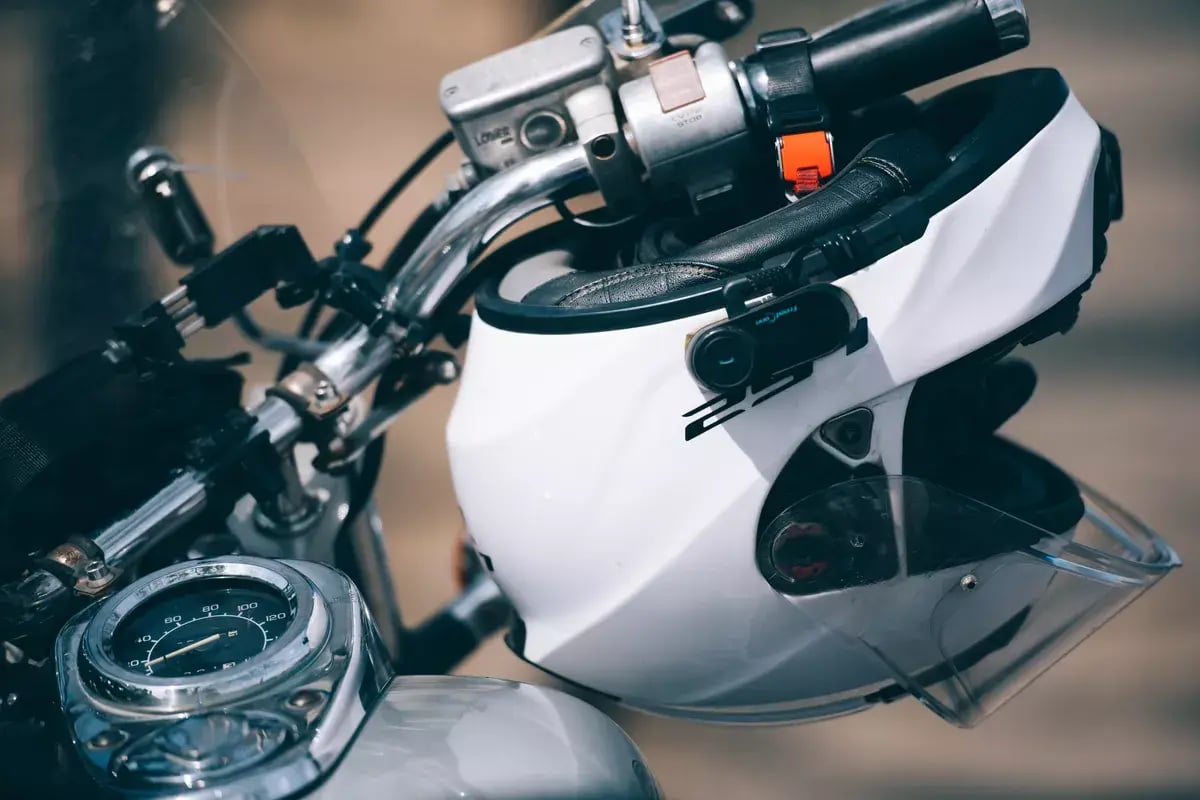
Motorcycle helmet, motorcyclist's helmet hangs on a motorcycle

Signs It’s Time for a New Helmet

Your helmet doesn’t always fail with obvious warning signs—but if you know what to look for, the clues are there. Understanding when to replace a motorcycle helmet starts with paying attention to changes in fit, comfort, and condition. If the interior padding feels loose, compressed, or no longer holds your head securely, that’s a sign your helmet isn’t performing the way it should.

Visible damage matters too. Cracks in the shell, a worn-out chin strap, or a loose visor can all point to compromised protection. And when it comes to a motorcycle helmet after a crash, there’s no debate—replacement is non-negotiable. Even a minor impact can weaken the internal structure, reducing its ability to absorb future hits.

At the end of the day, your helmet should inspire confidence every time you put it on. If it doesn’t, it’s time for an upgrade.

What Affects Helmet Longevity?

Not all helmets age the same. The factors that impact longevity go far beyond the date you bought it, shaping how well it protects you over time. Regular exposure to sunlight, heat, sweat, and moisture can gradually break down the materials inside your helmet—especially the liner designed to absorb impact. Even how and where you store your helmet plays a role in how long it holds up.

Frequency matters too. The more you ride, the more your helmet is subjected to wear and tear from constant use, vibration, and the elements. Proper care can extend its life, but it won’t stop the natural breakdown that comes with time.

And when it comes to a motorcycle helmet after a crash, longevity is no longer part of the conversation. Any impact can compromise its structure, making replacement the only safe move. Because in the end, protection should never be left to chance.

Ride Protected: Choosing Your Next Helmet

Choosing your next helmet should be about upgrading your ride with protection you can trust every mile ahead. The right helmet should deliver a precise fit, dependable certification, and the kind of comfort that keeps you focused from the first mile to the last. When everything comes together, it’s not something you think about—it’s something you rely on.

Today’s helmets are built with advanced materials, improved ventilation, and rider-first design, giving you more confidence every time you roll out. Whether you’re chasing long-distance miles or dialing in your daily ride, the right choice makes all the difference.

At Southside Harley-Davidson, we’re here to help you find a helmet that matches your ride and your standards. Learn more about our motorcycle helmets and general merchandise here.

FAQ: Motorcycle Helmet Replacement & Safety

Do you really need to replace a motorcycle helmet every 5 years?

In most cases, yes. The common guideline is every 3–5 years, depending on use and care. Over time, the materials inside your helmet break down from sweat, UV exposure, and regular wear, even if there’s no visible damage.

Is a 10 year old motorcycle helmet safe?

A 10-year-old helmet is generally considered unsafe. Even if it looks intact, the protective liner and materials have likely degraded beyond their ability to provide reliable impact protection.

What is the 5 year helmet rule?

The 5-year rule refers to the widely accepted recommendation that motorcycle helmets should be replaced every five years from the date of first use. It’s a benchmark to ensure your gear is still performing at its best.

How to tell if a motorcycle helmet is expired?

Look for signs like loose or worn interior padding, cracks in the shell, a compromised chin strap, or a poor fit. You can also check the manufacturer’s date label inside the helmet to track its age.

How to Pack for a 10-Day Motorcycle Trip Without Sacrificing Comfort

Posted by Dan Novit

May 6, 2026, 11:30:00 AM

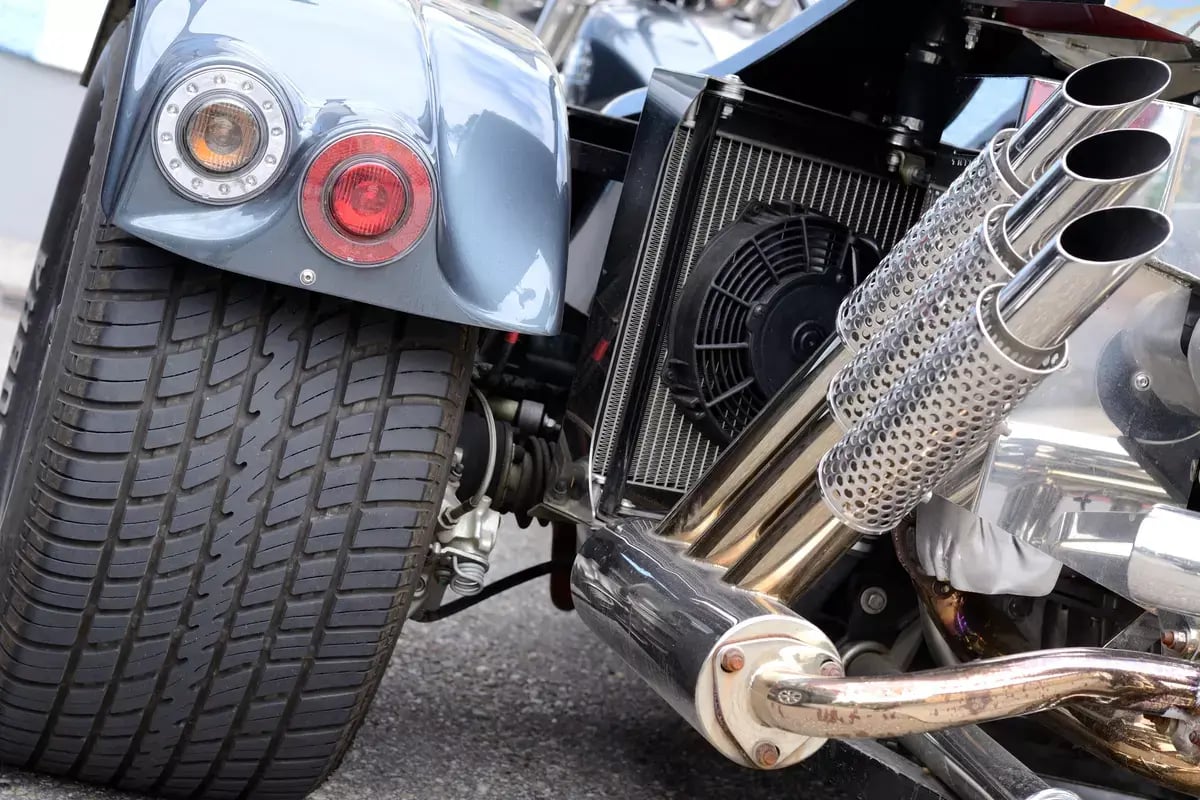
Close up of a motorcycle

TL;DR: Mastering how to pack for a 10-day motorcycle trip is all about balancing comfort, efficiency, and readiness for the road ahead. This guide shows you how to pack smarter, ride longer, and stay comfortable without overloading your bike.

  • Build a streamlined motorcycle trip packing list with versatile, multi-use gear
  • Prioritize essential riding gear with layering for changing weather conditions
  • Use smart luggage strategies to balance weight and improve handling
  • Focus on comfort with small essentials like hydration, seating support, and protective accessories
  • Plan ahead with tools, emergency gear, and daily living items to stay prepared on long rides

There’s nothing like the freedom of the open road: ten days, endless miles, and your Harley beneath you. But as any experienced rider knows, the difference between an unforgettable trip and an exhausting one often comes down to how you pack. Ultimately, figuring out how to pack for a 10-day motorcycle trip is about striking the perfect balance between preparedness and comfort.

When space is limited, every item needs to earn its place. That’s why understanding what to pack for a motorcycle trip is just as important as how you pack it. The right gear will keep you comfortable through changing weather, long stretches in the saddle, and everything else the road throws your way, all without weighing you down.

Whether you're chasing coastlines, carving through mountain roads, or putting in serious highway miles, smart packing lets you ride farther, longer, and more comfortably. In this guide, we’ll break down exactly how to gear up for a 10-day ride, so you can stress less about what you brought and just enjoy the ride!

Start with a Smart Packing Strategy (Less Gear, More Purpose)

Mastering how to pack for a motorcycle trip starts with one simple mindset: pack smarter, not heavier. Space is limited, and overpacking can quickly turn a great ride into a burden. The key is building a streamlined motorcycle trip packing list filled with gear that works hard and pulls double duty—think versatile clothing, compact essentials, and items that serve more than one purpose.

Start by laying everything out, then cut it down. If it doesn’t support your comfort, safety, or daily needs on the road, leave it behind. Roll your clothes to save space, group items by use, and keep your must-haves within easy reach. A smart packing strategy doesn’t merely save space. It also keeps you smooth, balanced, and focused on the miles ahead.

Gear Up Right: Ride-Ready Essentials Come First

Packing a motorcycle for a long trip should start with what you wear, since your riding gear is the foundation of your entire journey. This is where comfort, safety, and performance all come together. A well-chosen helmet, durable riding jacket, gloves, and boots are essential. The goal is to gear up in a way that keeps you protected and comfortable, no matter what the road or weather throws your way.

If you’re thinking about how to pack light for a motorcycle trip, start by choosing gear that adapts. Layering is your best ally, giving you the flexibility to handle temperature swings without overpacking. Choose breathable, weather-resistant materials that perform in multiple conditions. The right gear setup means fewer items overall—but better ones—so you can ride longer, stay comfortable, and keep your attention where it belongs: on the road.

Motorcycle at sunset.

Master the Art of Motorcycle Luggage

When it comes to how to pack for a motorcycle trip, your luggage setup can make or break the ride. Saddlebags, touring packs, and tail bags each serve a purpose, and choosing the right combination helps you stay organized without overloading your bike. The goal is to keep your setup streamlined, balanced, and built for the miles ahead.

If you’re focused on how to pack light for a motorcycle trip, smart luggage use is key. Distribute weight evenly from side to side and keep heavier items low to maintain stability and handling. Pack with intention—items you’ll need throughout the day should be easy to access, while less-used gear can stay secured. Dialing in your luggage system means less shifting, less stress, and a smoother, more comfortable ride every mile of the journey.

Comfort is King: Don’t Overlook the Small Details

Long days in the saddle have a way of exposing the smallest discomforts, which is why little details matter. When you’re building your motorcycle trip packing list, comfort should sit right alongside safety and performance. From seat support to riding posture, the right setup helps reduce fatigue and keeps your mind on the road instead of the aches that come with it.

Understanding how to pack for a motorcycle trip also means making room for the essentials that keep you feeling good mile after mile. Think hydration, easy-access snacks, ear protection, and proper eyewear—small additions that make a big impact over a 10-day ride. Even something as simple as a neck gaiter or base layer can help regulate temperature and prevent burnout. Ultimately, comfort is all about packing with intention, so that every mile feels as good as the first.

Plan for the Long Haul: Maintenance, Emergencies & Daily Living

A successful ride isn’t merely about the miles—it’s about being ready for everything. When mapping out how to pack for a 10-day motorcycle trip, planning for maintenance, emergencies, and daily living will keep your journey smooth and stress-free. A compact tool kit, tire repair essentials, and a basic understanding of your bike can make all the difference when you’re far from home.

Packing a motorcycle for a long trip also means thinking beyond the ride itself. Don’t forget items like toiletries, clean clothes, and simple laundry solutions to stay fresh on the road. Keep important documents, chargers, and personal items organized and within reach. A little preparation will help you ride with confidence, knowing you’re ready for whatever the road throws your way.

Ride Ready, Pack Smart, and Go the Distance

Packing smart is the best way to set yourself up for a great ride. By mastering how to pack for a 10-day motorcycle trip, you’re giving yourself the freedom to focus on the road, not your gear. When every item has a purpose, every mile feels smoother and every stop becomes part of the experience rather than a hassle.

The open road is unpredictable—that’s part of the thrill. But with the right preparation, the right mindset, and the right machine beneath you, you’ll be ready for whatever comes your way. That’s the kind of ride we believe in at Southside Harley-Davidson—one built on confidence, comfort, and the spirit of adventure.

Browse our collection of Harley Davidson Motorcycles here.

Essential Tips for Long-Distance Motorcycle Trips

Posted by Dan Novit

May 6, 2026, 11:00:00 AM

Motorcyclists riding on highway at dawn.

TL;DR: Looking for practical, road-tested tips for long distance motorcycle trips? This guide breaks down everything riders need to go farther with confidence—from pre-ride prep to endurance and gear.

  • Prep your bike thoroughly to ensure reliability and performance across every mile
  • Pack smart with essential gear and layered clothing for comfort and changing conditions
  • Plan your route with key stops in mind, but stay flexible for unexpected detours
  • Ride for endurance by pacing yourself, staying hydrated, and choosing the right setup
  • Gear up with quality equipment from Southside Harley to maximize comfort, safety, and freedom on the open road

When the road stretches out past the horizon and the miles start stacking up, there’s nothing quite like the freedom of long distance motorcycle riding. It’s more than just a trip—it’s a test of endurance, a chance to disconnect from the noise, and an opportunity to truly connect with your machine.

Whether you’re chasing winding backroads or crossing state lines on your Harley-Davidson, every mile tells a story. But long-haul riding isn’t something you just wing.

The difference between an unforgettable journey and a frustrating one often comes down to preparation, mindset, and knowing what to expect when the ride gets long. That’s where the right tips for long distance motorcycle trips come into play—helping you stay comfortable, safe, and ready for whatever the road throws your way.

In this guide, we’re breaking down essential tips for long distance motorcycle trips so you can ride farther, stronger, and with total confidence. Because when you’re properly prepared, the only thing left to focus on is the rumble of the engine and the open road ahead.

Prep Your Bike Like Your Ride Depends on It (Because It Does)

Before you set out on a cross-country motorcycle trip or even a weekend-long motorcycle trip, it all starts with your machine. Long distance motorcycle riding demands more than a quick once-over—this is about dialing in every detail so your bike performs as strong on mile 500 as it does on mile one.

Check your tires for proper pressure and tread, top off fluids, inspect your brakes, and make sure your battery is road ready. Take a moment to adjust your suspension and controls to match your load and riding style, setting yourself up for comfort from the first mile out.

Don’t overlook the small stuff, either. Lights, belts, and controls all play a role in keeping your ride smooth and safe. Pack a basic tool kit and know your bike well enough to handle minor adjustments on the road. If it’s been a while, schedule a full service before you hit the road.

A well-prepped Harley-Davidson isn’t just about reliability—it’s about confidence. When your bike is ready for the long haul, you’re free to focus on what really matters: the ride ahead.

Pack Smart, Ride Light

Packing for a cross-country motorcycle trip is all about striking the right balance—bringing what you need without weighing down your ride. When you’re planning what to wear on motorcycle ride days that stretch for hours, think comfort, versatility, and protection. Layered riding gear is key, giving you the flexibility to handle changing weather and temperatures without overpacking.

Stick to the essentials: a compact tool kit, rain gear, hydration, and a few changes of clothes that can handle life on and off the bike. Every item should earn its place. Overloading your Harley can impact handling and turn a smooth ride into a struggle.

Smart packing isn’t just about space—it’s about freedom. When your bike is balanced and your gear is dialed in, you can focus less on what you brought and more on the miles ahead.

Motorcycle driver stands on the road next his motorcycle

Plan the Route, But Leave Room to Roam

Planning your route for a long motorcycle trip is part strategy, part instinct. It’s smart to map out your major stops—fuel, rest breaks, overnight stays—so you’re never caught off guard in unfamiliar territory. Knowing where you’re headed each day brings a level of confidence that lets you settle into the ride and enjoy the miles.

But the best long motorcycle trips aren’t locked to a rigid schedule. Leave space for the unexpected—those stretches of open road that weren’t on the map, the roadside diners, the scenic detours that turn into the highlight of your journey. That flexibility is where the real riding experience lives.

Use navigation tools as a guide, not a rulebook. When you strike the right balance between planning and freedom, every mile feels less like a checklist—and more like the adventure you set out to find.

Ride for Endurance, Not Speed

When it comes to long distance motorcycle riding, endurance is everything. It’s not about how fast you can go—it’s about how long you can stay sharp, comfortable, and in control. Pushing too hard, too fast can wear you down quickly, turning what should be an incredible ride into a draining one.

Start with your setup. Choosing the best motorcycle for long distance comfort makes a major difference, but so does dialing in your riding position and gear. Knowing what to wear on motorcycle ride days that stretch across hours or even states means prioritizing breathable, protective layers that reduce fatigue and keep you focused.

Out on the road, pace yourself. Take breaks, stay hydrated, and listen to your body. The goal isn’t to conquer miles—it’s to enjoy them. When you ride with endurance in mind, every stretch of road becomes part of the experience, not something to rush through.

Gear Up for the Long Haul

Gearing up for a long-distance ride isn’t just about comfort—it’s about staying ready for whatever the road throws your way. From the right helmet and protective riding gear to luggage solutions built for the long haul, every piece plays a role in how far and how confidently you can ride. When you invest in quality gear, you’re investing in a better experience mile after mile.

At Southside Harley, riders can find everything they need to take on the journey ahead, including recommendations for the best motorcycles for long distance riding. Whether you’re preparing for your first extended trip or upgrading your setup for the next big run, having the right gear makes all the difference.

Because when you’re fully equipped, the road opens up in a whole new way—longer rides, fewer limits, and more freedom with every mile. It’s these kinds of tips for long distance motorcycle trips that turn a good ride into an unforgettable one.

Browse our collection of Harley Davidson Motorcycles here.

Comments