

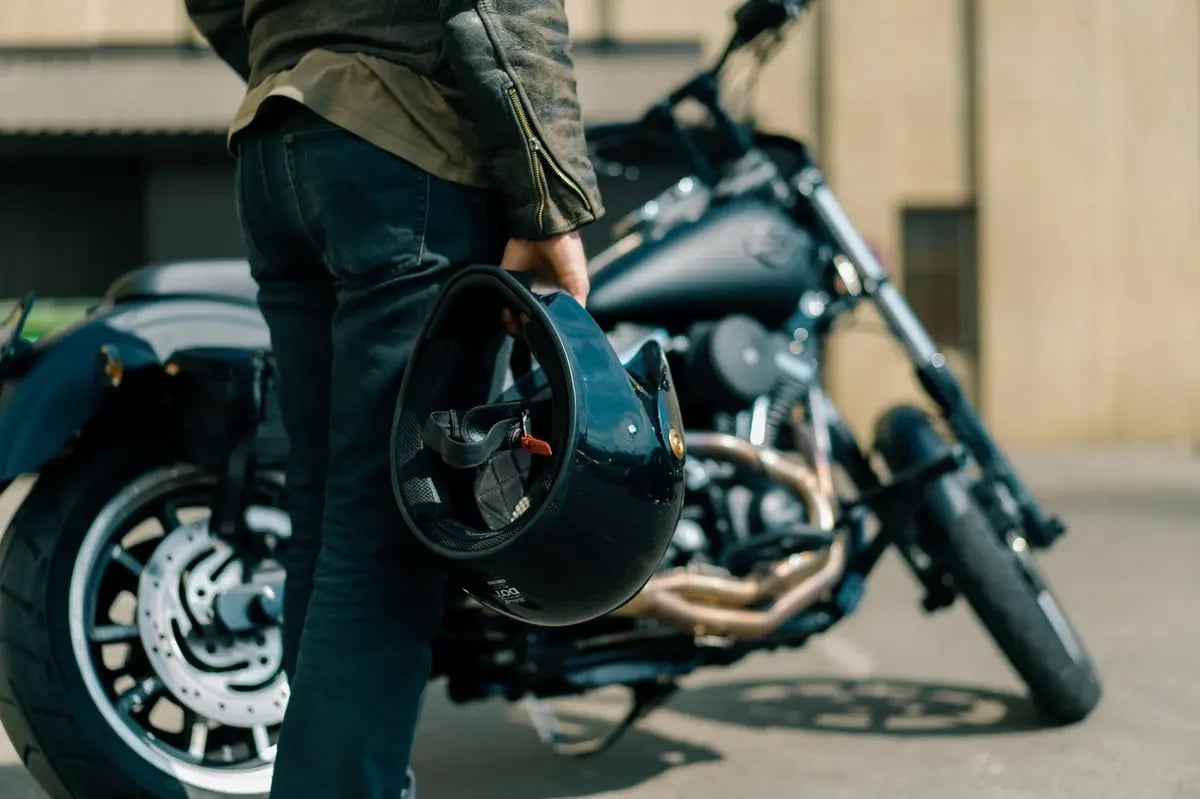
TL;DR: Wondering how often should you replace a motorcycle helmet? This guide breaks down the timelines, warning signs, and factors that impact your helmet’s performance so you can ride with confidence every time.
- Most helmets should be replaced every 3–5 years due to material breakdown from use and exposure
- Even without visible damage, sweat, UV rays, and wear can reduce protection over time
- Key warning signs include loose padding, poor fit, cracks, or worn components
- A motorcycle helmet after a crash should always be replaced—no exceptions
- Choosing a new helmet means focusing on fit, safety certifications, and long-term comfort
When it comes to rider safety, few pieces of gear are as critical as your helmet. It’s your first line of defense every time you hit the road—but like anything built for protection, it doesn’t last forever. That’s why understanding how often you should replace a motorcycle helmet isn’t just a good idea—it’s essential for every rider who takes their safety seriously.
The truth is, the lifespan of a motorcycle helmet depends on more than just time. Factors like wear and tear, exposure to the elements, and even how often you ride all play a role in how well your helmet can protect you. What might look fine on the outside can be compromised where it counts most.
In this guide, we’ll break down the signs to watch for, the timelines to follow, and how to make sure your helmet is always ready for the ride ahead. Because when you’re rolling out, confidence starts with knowing your gear is up to the task.
Why Helmet Replacement Matters More Than You Think
Your helmet might look fine on the outside, but protection isn’t just about appearances—it’s about performance when it matters most. Knowing when to replace a motorcycle helmet can be the difference between gear that works and gear that fails when you need it. Over time, the materials inside your helmet—especially the impact-absorbing liner—begin to break down, reducing their ability to do their job.
That’s why understanding when to replace a motorcycle helmet goes beyond checking for cracks or visible damage. Everyday factors all take a toll, even if you’ve never been in a crash. And if your helmet has taken any kind of impact, replacement isn’t a question—it’s a must.
At the end of the day, your helmet is built for one purpose: protecting your ride. Making sure it’s up to the task is part of riding smart.
The Clock Is Ticking: Understanding Helmet Lifespan
When it comes to rider safety, time is just as important as impact. Many riders ask, do motorcycle helmets expire? The short answer is yes—every helmet has a built-in shelf life, whether it’s been through a crash or not. Understanding the lifespan of a motorcycle helmet is key to making sure your protection hasn’t quietly worn down over time.
Most manufacturers recommend replacing your helmet every 3 to 5 years, but that timeline can shift depending on how often you ride and how well the helmet is cared for. Exposure to sun, sweat, heat, and everyday wear slowly breaks down the materials designed to protect you.
Even if it still looks good on the outside, what matters is what’s happening beneath the surface—because when it’s time to rely on your helmet, there’s no room for guesswork.
Signs It’s Time for a New Helmet
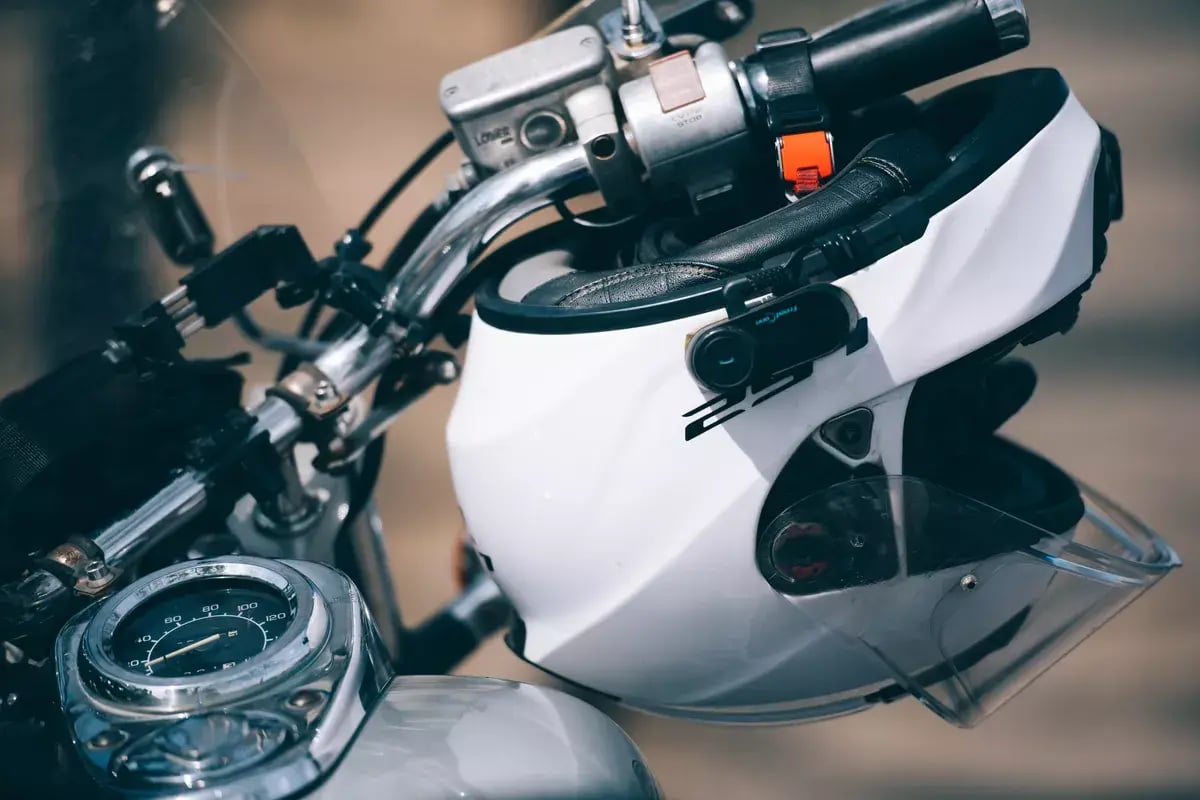
Your helmet doesn’t always fail with obvious warning signs—but if you know what to look for, the clues are there. Understanding when to replace a motorcycle helmet starts with paying attention to changes in fit, comfort, and condition. If the interior padding feels loose, compressed, or no longer holds your head securely, that’s a sign your helmet isn’t performing the way it should.
Visible damage matters too. Cracks in the shell, a worn-out chin strap, or a loose visor can all point to compromised protection. And when it comes to a motorcycle helmet after a crash, there’s no debate—replacement is non-negotiable. Even a minor impact can weaken the internal structure, reducing its ability to absorb future hits.
At the end of the day, your helmet should inspire confidence every time you put it on. If it doesn’t, it’s time for an upgrade.
What Affects Helmet Longevity?
Not all helmets age the same. The factors that impact longevity go far beyond the date you bought it, shaping how well it protects you over time. Regular exposure to sunlight, heat, sweat, and moisture can gradually break down the materials inside your helmet—especially the liner designed to absorb impact. Even how and where you store your helmet plays a role in how long it holds up.
Frequency matters too. The more you ride, the more your helmet is subjected to wear and tear from constant use, vibration, and the elements. Proper care can extend its life, but it won’t stop the natural breakdown that comes with time.
And when it comes to a motorcycle helmet after a crash, longevity is no longer part of the conversation. Any impact can compromise its structure, making replacement the only safe move. Because in the end, protection should never be left to chance.
Ride Protected: Choosing Your Next Helmet
Choosing your next helmet should be about upgrading your ride with protection you can trust every mile ahead. The right helmet should deliver a precise fit, dependable certification, and the kind of comfort that keeps you focused from the first mile to the last. When everything comes together, it’s not something you think about—it’s something you rely on.
Today’s helmets are built with advanced materials, improved ventilation, and rider-first design, giving you more confidence every time you roll out. Whether you’re chasing long-distance miles or dialing in your daily ride, the right choice makes all the difference.
At Southside Harley-Davidson, we’re here to help you find a helmet that matches your ride and your standards. Learn more about our motorcycle helmets and general merchandise here.
FAQ: Motorcycle Helmet Replacement & Safety
Do you really need to replace a motorcycle helmet every 5 years?
In most cases, yes. The common guideline is every 3–5 years, depending on use and care. Over time, the materials inside your helmet break down from sweat, UV exposure, and regular wear, even if there’s no visible damage.
Is a 10 year old motorcycle helmet safe?
A 10-year-old helmet is generally considered unsafe. Even if it looks intact, the protective liner and materials have likely degraded beyond their ability to provide reliable impact protection.
What is the 5 year helmet rule?
The 5-year rule refers to the widely accepted recommendation that motorcycle helmets should be replaced every five years from the date of first use. It’s a benchmark to ensure your gear is still performing at its best.
How to tell if a motorcycle helmet is expired?
Look for signs like loose or worn interior padding, cracks in the shell, a compromised chin strap, or a poor fit. You can also check the manufacturer’s date label inside the helmet to track its age.